Cotech Logo
I am because we are
Cotech | Fund Digital Skills & Jobs for Youth in Kenya Fund Youth Opportunity

Unlock Digital Skills, Jobs, and Opportunity for Underserved Youth in Kenya

Across Kenya, talented young people are being left behind not because they lack potential, but because they lack access to practical skills, technology, and pathways to work.

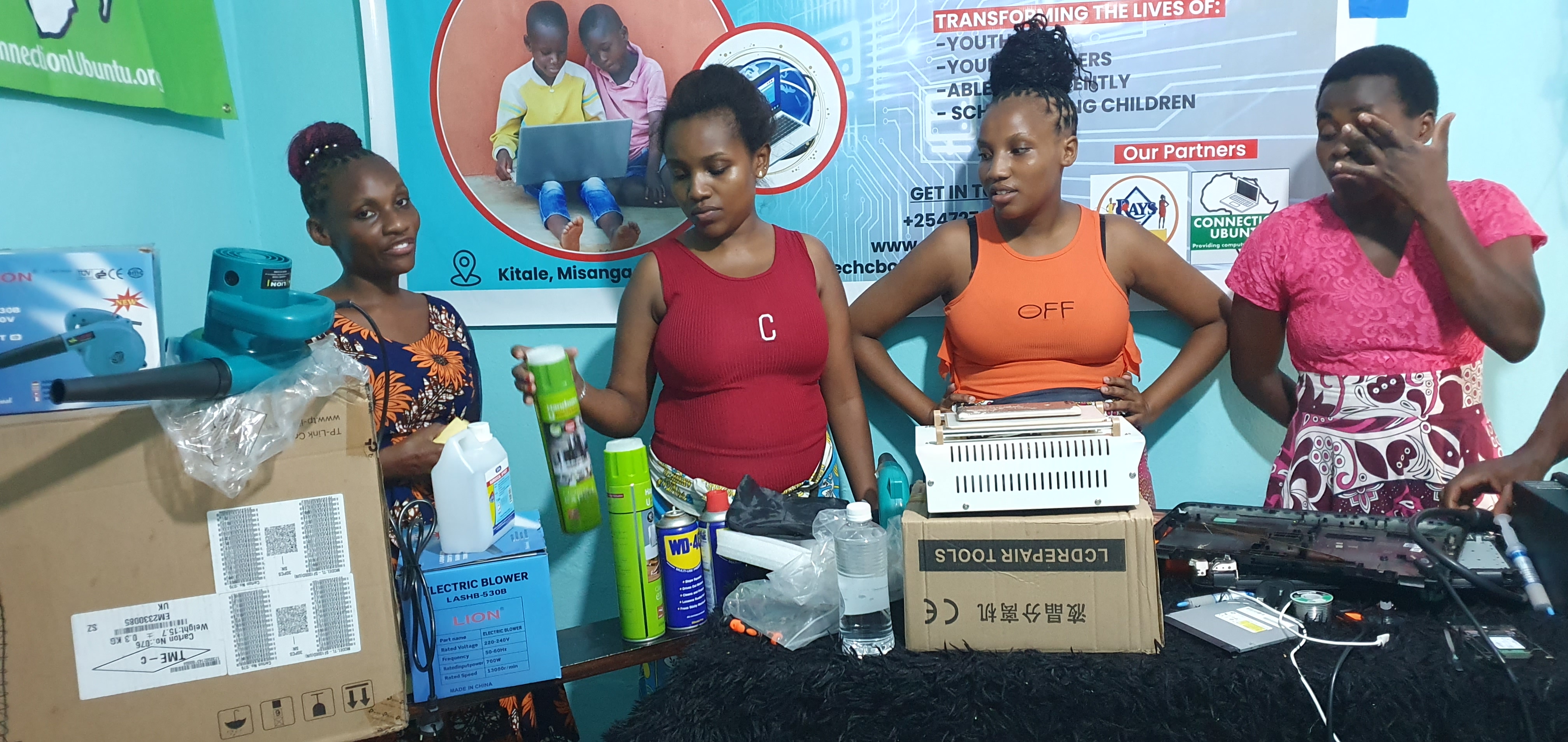
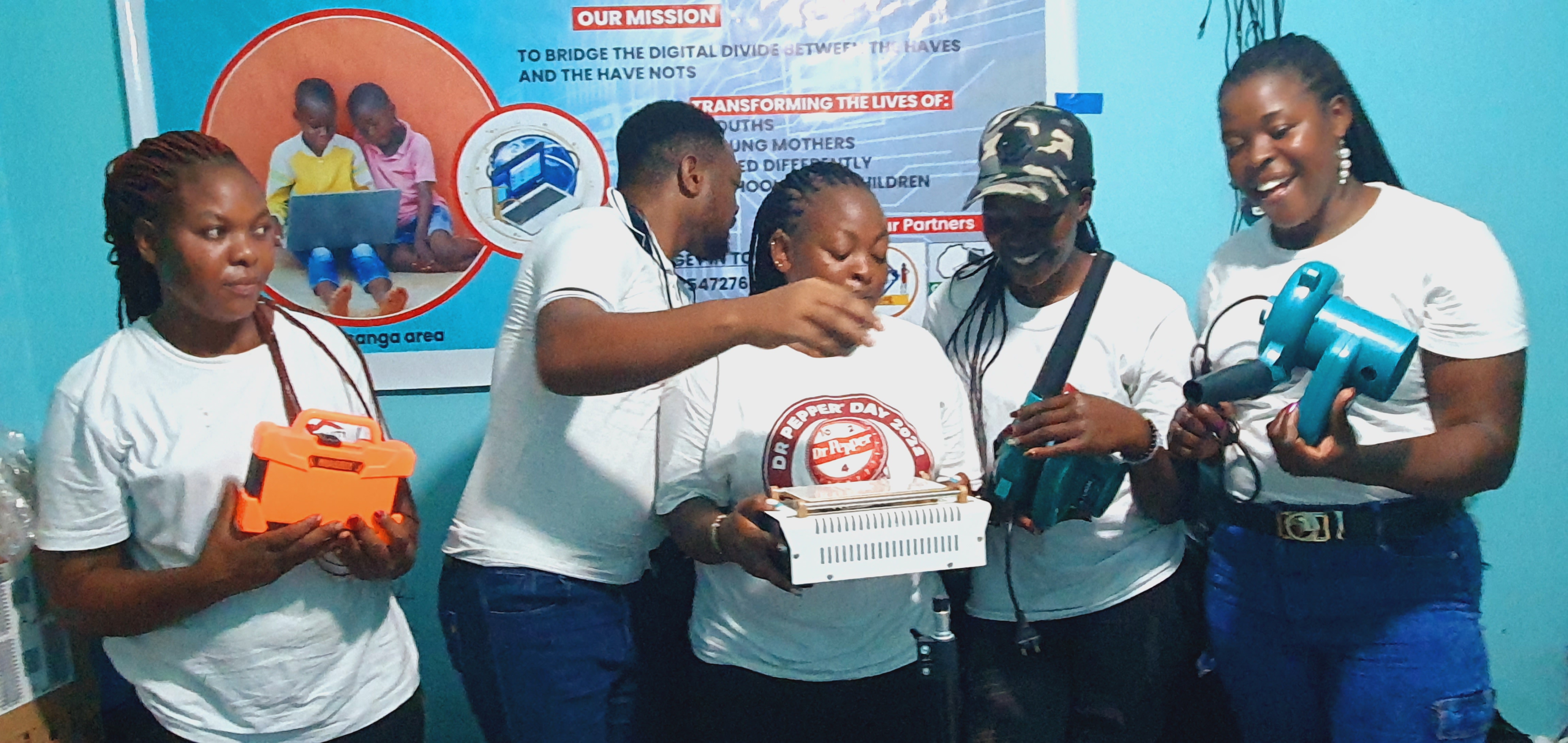
Cotech equips youth and women with job-focused digital training, community-based support, and transition pathways into employment and income opportunities.

1,237 youth trained (2022–2026) across Trans Nzoia and partner communities • Community-delivered programs

From Training to Income

Our model is designed to move underserved youth from digital skills training to job readiness, income generation, and long-term economic inclusion.

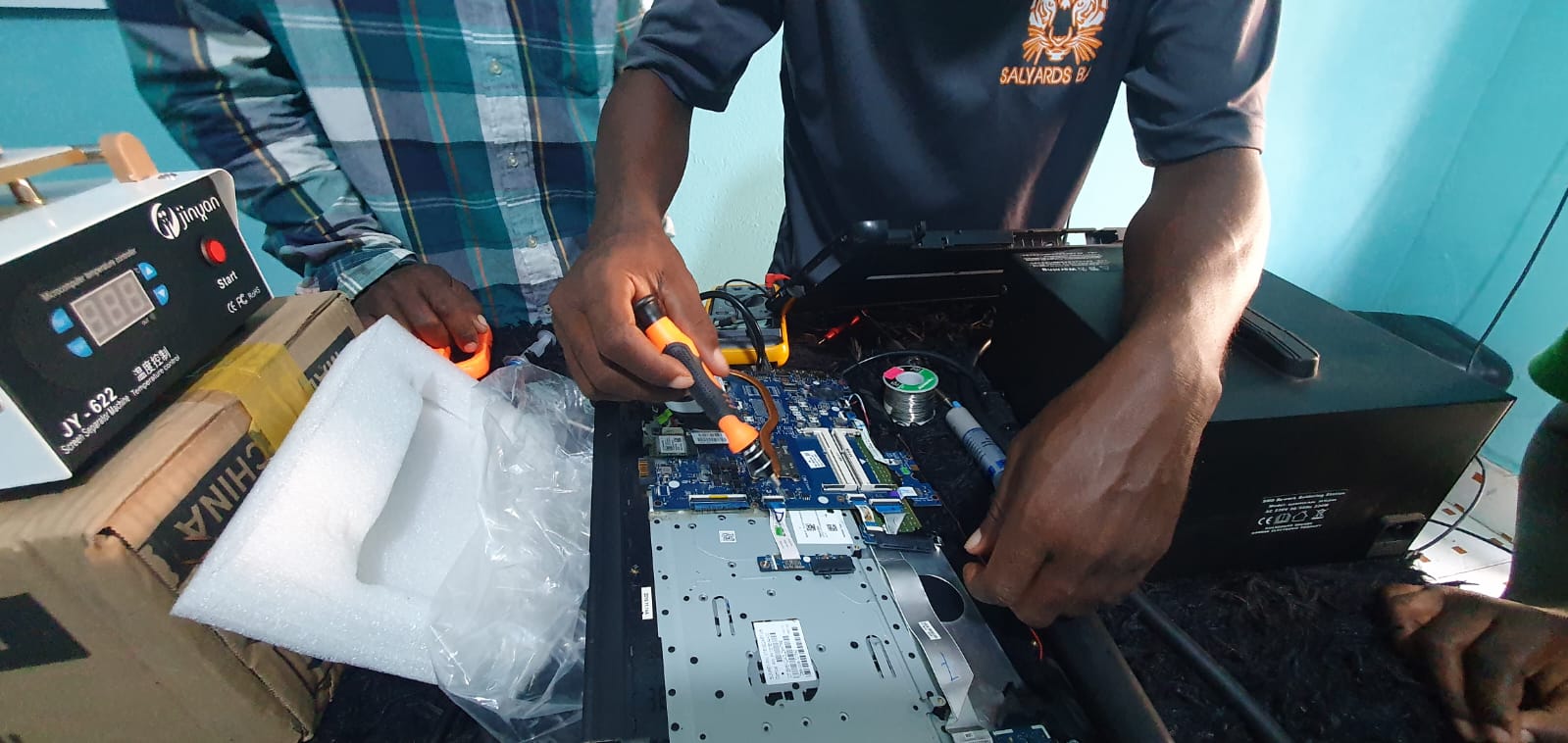
We focus on practical learning, not theory alone, with strong emphasis on real-world application and livelihood outcomes.

A Community-Based Model Ready to Scale

Cotech has trained over 1,200 young people and is building partnerships to expand access to digital opportunity across more counties in Kenya.

Why This Matters Now

Kenya’s digital economy is growing rapidly, but millions of young people still lack access to the skills, tools, and support needed to participate in it.

Without targeted investment, this gap will continue to widen, leaving underserved communities further behind. With the right support, however, digital training can become a pathway to employment, income, and long-term inclusion.

What Is at Stake

When young people are excluded from digital opportunity, communities lose talent, families lose income potential, and inequality deepens.

When young people gain relevant skills and access to opportunity, the outcome is different: stronger livelihoods, greater resilience, and more inclusive local growth.

Why Cotech Works

Proven Local Delivery

We have trained 1,200+ youth through community-based programs designed to reach underserved populations with practical learning opportunities since the year 2022

Job-Focused Training

Our training is hands-on and market-relevant, helping participants build real skills that can lead to work, self-employment, and income generation.

Community Access Model

We deliver programs within communities, reducing barriers to access and increasing participation among youth and women who are often excluded.

Experienced Leadership

Cotech is led by a team with experience in ICT training, program delivery, governance, and community engagement.

Built for Partnership and Scale

Our model is designed to expand through collaboration with funders, schools, community organizations, and strategic partners.

For Donors, Funders, and Strategic Partners

Cotech offers a locally rooted, scalable model that connects digital skills training to employment and income outcomes for underserved youth in Kenya.

Clear Outcome Focus

Our impact reflects program delivery between 2022 and 2026 across community-based training and school partnerships. Data is based on internal program tracking and participation records.

Cost-Efficient Delivery

Our current model estimates that $50 can help move one young person through training and toward economic opportunity.

Scalable Partnership Potential

With the right support, the model can expand across counties while maintaining local relevance and practical delivery.

Implementation Grounded in Community

Programs are designed and delivered with local realities in mind, helping ensure access, trust, and participation.

Start a Partnership Conversation

Trusted by Community Partners

We collaborate with local community organizations and schools for program delivery and outreach. Partnerships vary by program and location.

Impact to Date

Our work is still growing, but early results show strong demand for practical digital skills and promising pathways into income opportunities.

0

Youth trained since the year (2022-2026)

0

School Children reached since since 2023

0

Schools supported

0

Community reached since we started

Growing evidence from our programs shows that practical, community-based training can help young people transition toward work and income opportunities.

Estimated cost: approximately $50 supports one youth through a 12-week training cycle, covering facilitation, access, and basic program delivery. Estimates based on current program costs.

Detailed breakdowns, methodologies, and program-level data available upon request.

How We Measure Progress

We track participation, completion, and post-training pathways including employment, self-employment, and continued learning. Monitoring is based on program records, follow-ups, and partner feedback.

Case Studies: From Training to Income

These examples reflect real participants from Cotech programs. They illustrate how community-based training can translate into skills, confidence, and income opportunities.

Mary Wanjiku

ICT Program Graduate • Trans Nzoia • 2024

Before joining Cotech, Mary had no formal digital skills and limited income opportunities. She enrolled in a 12-week ICT training program focused on practical computer use, internet services, and basic digital work.

Within three months of completing training, she secured work at a local cyber café, allowing her to earn a steady income and support her family.

Outcome based on participant follow-up and local employer engagement.

Victory Academy Students

School Program • Partner School • Since 2023

Cotech introduced foundational digital skills training at Victory Academy, where many students had never interacted with computers before.

After one year of program delivery, students demonstrated improved confidence in using digital tools for assignments and basic research.

Observed through teacher feedback and classroom participation.

Loice Musa

Youth Program Participant • 2022–2023

Before joining Cotech, Loice had no stable source of income. She participated in training programs focused on digital literacy and livelihood skills.

Following completion, she transitioned into income-generating activities, improving her ability to support herself and contribute to her household.

Outcome based on participant self-reporting and follow-up engagement.

Real Stories, Real Outcomes

“Before joining Cotech, I had no digital skills and limited income opportunities. Within three months of completing training, I secured work at a cyber café and began earning to support my family.”

—Mary Wanjiku, ICT Program Graduate (2024, Trans Nzoia)

“After Cotech introduced digital training in our school a year ago, students who had never used computers became more confident in completing assignments digitally.”

— Headteacher Victory Academy

“4 years ago before joining Cotech, I had no stable income. After completing training, I was able to secure work and start contributing to my own needs and my family.”

— Loice Musa

“We have seen young people in our community move from unemployment toward income generation after participating in Cotech programs..”

— Community Leader

Founder’s Story

Josphat Munyasia

Josphat Munyasia is an Information Science graduate from Laikipia University with experience across ICT training, public service systems, and community-based learning programs.

He founded Cotech to help bridge the digital divide for underserved communities by building practical pathways from skills development to employment and income.

Cotech was founded in 2022 to address digital access and youth unemployment gaps in underserved communities.

"We are not just teaching skills. We are expanding access to opportunity.”

Our Growth Vision

With the right funding and strategic partnerships, Cotech aims to expand from 1,200 youth trained to 10,000+ youth reached across 10+ counties over the next five years.

  • Expand to 10+ counties
  • Train 10,000+ youth
  • Strengthen pathways to employment and income
  • Establish community-based technology hubs
  • Grow partnerships that increase access and sustainability

Our Fundable Model

Cotech offers a practical and measurable pathway that connects investment to skills development, job readiness, and income opportunity for underserved youth.

1. Investment (Input)

Funding supports training access, equipment, facilitation, and local program delivery.

2. Training (Process)

Participants complete a structured 12-week, hands-on digital skills program.

3. Job Readiness (Output)

Graduates build practical competencies, confidence, and readiness for work or self-employment.

4. Income (Outcome)

Participants transition toward employment, freelance work, or other income-generating activities.

5. Scale (Impact)

The model expands through partnerships that increase reach, consistency, and long-term impact.

An estimated $50 helps move one young person through this pathway toward opportunity.